
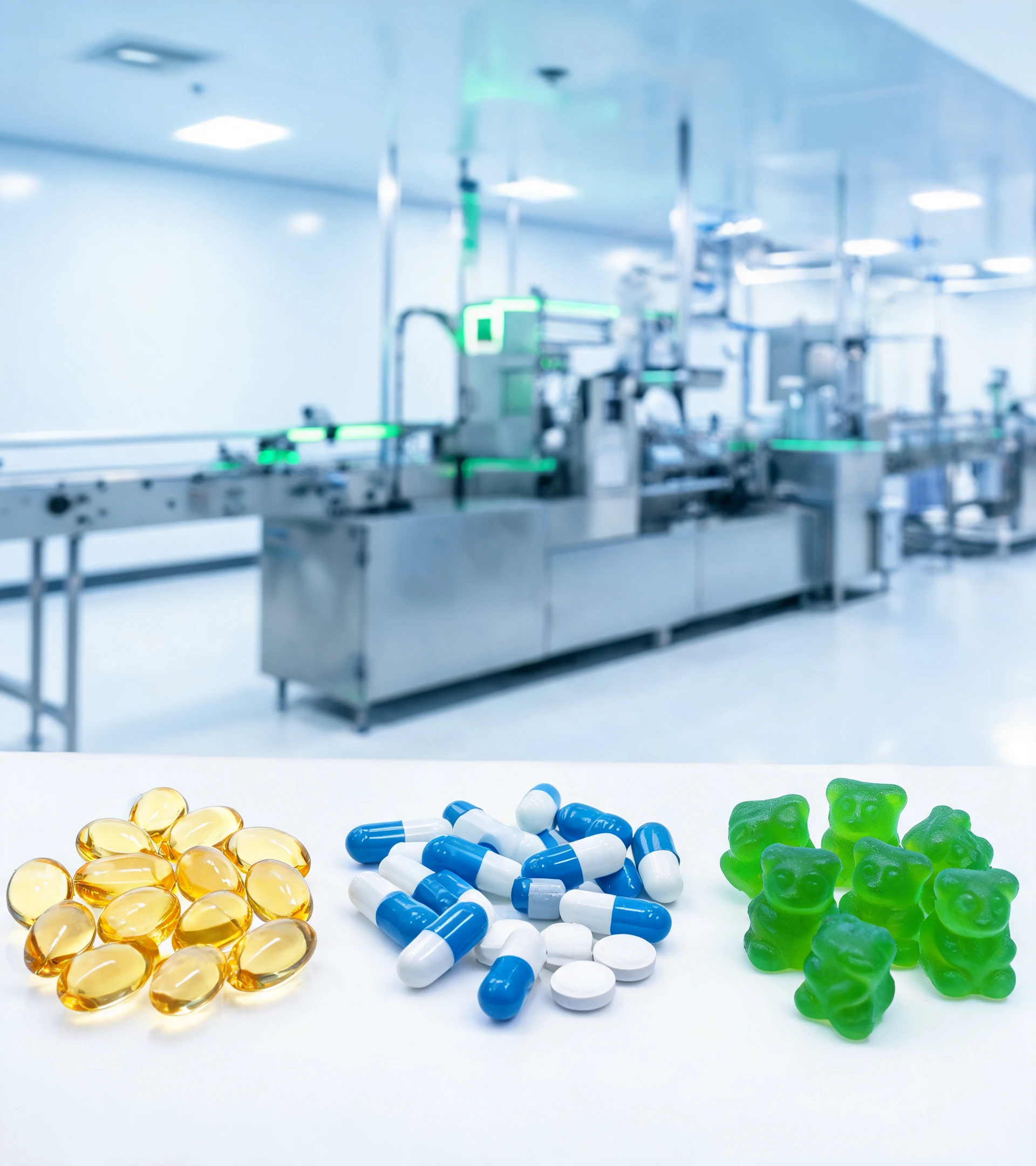
Buyer takeaway: Bring ingredient direction, serving count, dimensions, coating and packaging into one tablet development conversation.
Begin with the ingredient and serving brief
List the proposed ingredient forms and intended quantities per serving. State how many tablets you hope to include in that serving. Give the development team any available ingredient specifications and your target market. A tablet photograph is a useful visual reference, but it does not establish the feasibility of your proposed formula.
Agree priorities before choosing a shape
Describe the intended dimensions, appearance and user experience. Separate essential requirements from preferences so that the technical team can explain tradeoffs. If a smaller tablet is requested, ask what the change means for the full formula and serving count. Keep the revised formula and tablet specification linked throughout development.
| Decision | Buyer input | Approval reference |
|---|---|---|
| Serving | Intended actives and tablet count | Approved formulation |
| Presentation | Shape, dimensions and coating preference | Tablet specification and sample |
| Retail pack | Count, container or blister and carton | Finished artwork and packaging |
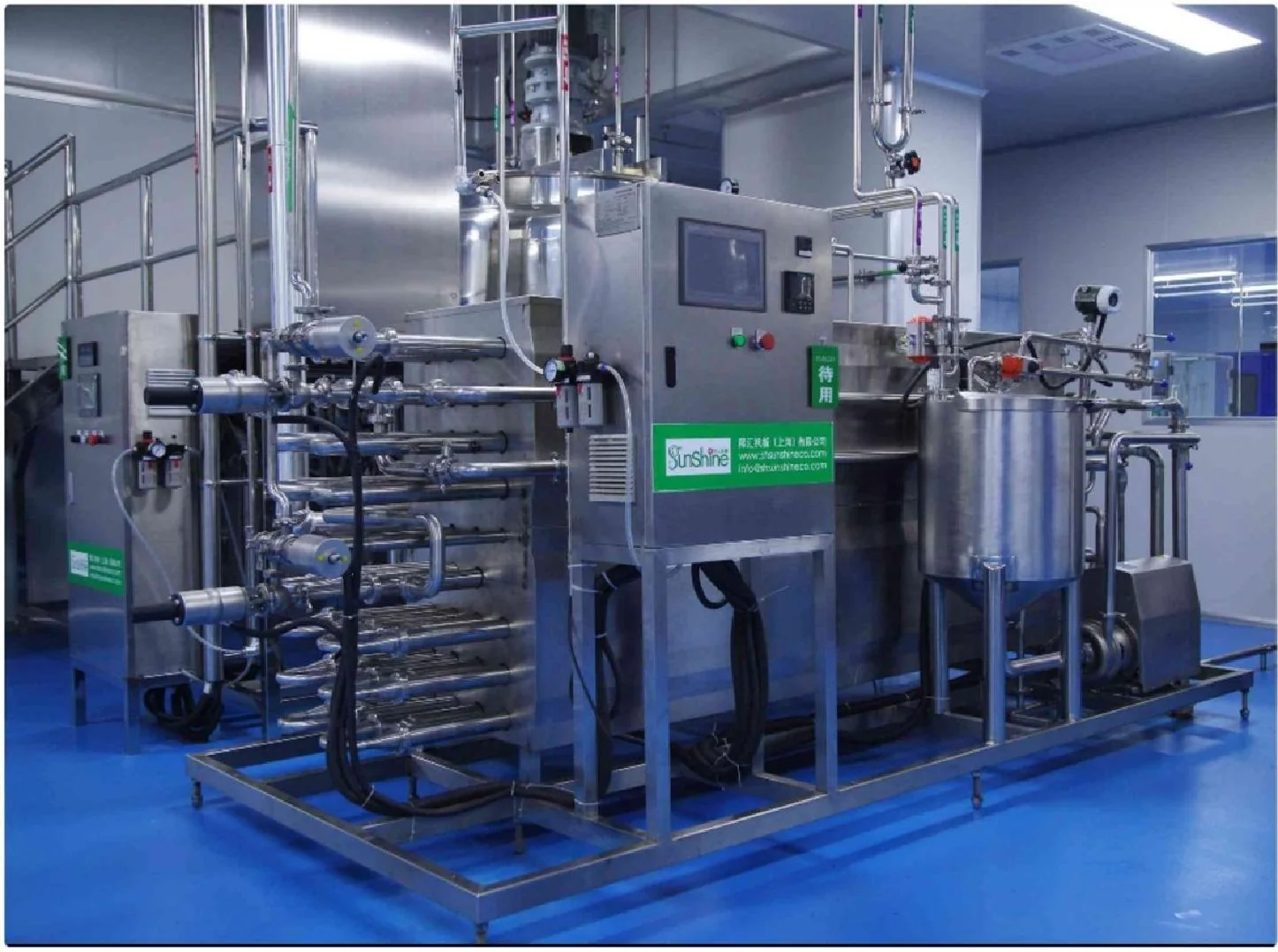
Move from a formula wish list to a tablet specification
During feasibility review, ask the team to connect the ingredient system to tablet size, serving count and the proposed manufacturing route. Appearance, handling and any coating preference should be discussed alongside the technical specification. A request for a smaller tablet can involve changes beyond the tool shape.
Compare samples against named criteria rather than a general impression. Record dimensions, color, coating appearance and packaging presentation, then ask which product checks are included in the agreed release scope. Preserve the approved sample code so later artwork and production discussions refer to the same version.
Discuss coating and pack presentation
Ask which coating and packaging routes can be considered for the proposed product. Define the retail count, container or blister presentation, label and carton. Review the finished presentation alongside the sample. A change to coating, tablet dimensions or pack can affect the scope of the development work and should be recorded explicitly.
Create an approval record that is usable in production
Identify the approved sample, formula reference, tablet specification and finished pack. Ask the supplier to explain the product checks and release documentation included in the project. Agree how later changes will be reviewed. A clear approval record is more useful than a collection of sample photographs without version numbers.
Bring this checklist to your next discussion
- Proposed actives and serving count
- Dimensions and appearance preferences
- Approved sample identifier
- Pack and documentation scope
Buyer question
Should the packaging design be finished before the sample?
Develop the concept early, but release final artwork only after the relevant product and pack specifications are confirmed.
Continue your research
Explore the related Benyuan service or resource → · Browse the product catalog →
Continue the conversation.
Share the formulation, packaging, quantity and market details you want to review.
Ask our team ↗